Buy lqx.eu ?
We are moving the project
lqx.eu .
Are you interested in purchasing the domain
lqx.eu ?
domain@kv-gmbh.de · 0541-91531010
Buy lqx.eu ?
What is the exact position of the scratch above my lens?
The scratch above your lens is located approximately 2 centimeters from the top right corner of the lens. It is about 1.5 centimeters in length and runs parallel to the edge of the lens. The scratch does not extend into the center of the lens and is mostly confined to the upper right quadrant. **
What is the exact position of the scratch above my eyeglass lens?
The scratch above your eyeglass lens is located approximately 1 centimeter from the top edge of the lens and about 2 centimeters from the outer corner of the lens. It is positioned slightly to the right side of the lens when looking at it straight on. **


Similar search terms for PROPLAST-31206403-Lens-position
Top-Angebote
Products related to PROPLAST-31206403-Lens-position:
-
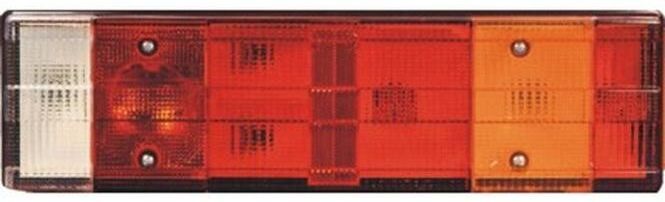
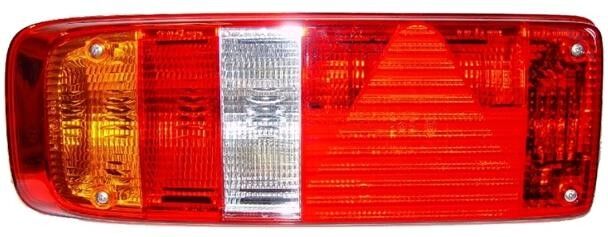
PROPLAST 40251112 Lens, combination rearlightFitting Position: Left Rear; Length [mm]: 350; Width [mm]: 130; Certificate: ECE; Light Function: for reverse light; Light Design: 6 Chamber Light; Product line: VOLVO; Supplementary Article / Supplementary Info Info 2: with screw set20,49 £*Shipping: 8,45 £Secure redirect to the provider


-
Does the position of the object-side principal plane change in a lens?
Yes, the position of the object-side principal plane can change in a lens. The object-side principal plane is the location within the lens where the light rays appear to converge to form the image. When the lens is moved or when the refractive index of the lens material changes, the position of the object-side principal plane can shift. This can affect the overall optical properties of the lens and how it forms images. **
-
Which lens mount does this lens have?
This lens has a Canon EF lens mount. This means it is compatible with Canon DSLR cameras that use the EF mount, as well as some mirrorless cameras with an EF to RF mount adapter. The EF mount is a widely used and versatile mount, allowing for compatibility with a wide range of Canon cameras. **
-
Is there a lens hood for the lens?
Yes, there is a lens hood available for the lens. A lens hood is a useful accessory that helps to reduce lens flare and glare by blocking unwanted light from entering the lens. It can also provide some protection for the front element of the lens. It is recommended to use a lens hood whenever possible to improve the overall image quality. **
-
What does the lens do during autofocus 2 lens?
During autofocus, the lens in a camera with autofocus 2 technology adjusts its position to bring the subject into sharp focus. This is achieved through the movement of internal lens elements controlled by the camera's autofocus system. The lens continuously makes small adjustments to its focus position until the subject is in focus, allowing for quick and accurate focusing. This technology is particularly useful for capturing fast-moving subjects or for ensuring sharp focus in challenging lighting conditions. **

What is the lens quality of the Nikon P1000 for trainspotting?
The Nikon P1000 has a high-quality lens that is ideal for trainspotting. With its impressive 125x optical zoom lens, it allows you to capture detailed images of trains even from a distance. The lens quality ensures sharpness and clarity in your photos, making it a great choice for capturing the intricate details of trains and railway scenes. Overall, the Nikon P1000's lens is well-suited for trainspotting enthusiasts looking to capture stunning images of trains. **
Is the converging lens the same as the diverging lens?
No, a converging lens and a diverging lens are not the same. A converging lens is thicker in the middle and causes parallel rays of light to converge at a focal point, while a diverging lens is thinner in the middle and causes parallel rays of light to diverge. Converging lenses are used to create real images, while diverging lenses are used to create virtual images. Therefore, the two types of lenses have different optical properties and applications. **
Top-Angebote
Products related to PROPLAST-31206403-Lens-position:
-
PROPLAST 31206403 Lens, position lightLight Design: LED; Light Function: with side marker light (LED); Light colour: Orange; Product line: UNIPOINT ; Voltage [V]: 24; Angle [°]: 90; Cable Length [m]: 1.5; Protection Type (IP Code): IP69K; Registration Type: ADR/GGVS approved; Features: ASS1 / ASS2, P&R; Length [mm]: 119, 82; Width [mm]: 44; Hole Spacing [mm]: 70; Thickness: 38; Fitting Position: both sides16,99 £*Shipping: 8,45 £Secure redirect to the provider
-
What is the exact position of the scratch above my lens?
The scratch above your lens is located approximately 2 centimeters from the top right corner of the lens. It is about 1.5 centimeters in length and runs parallel to the edge of the lens. The scratch does not extend into the center of the lens and is mostly confined to the upper right quadrant. **
-
What is the exact position of the scratch above my eyeglass lens?
The scratch above your eyeglass lens is located approximately 1 centimeter from the top edge of the lens and about 2 centimeters from the outer corner of the lens. It is positioned slightly to the right side of the lens when looking at it straight on. **
-
Does the position of the object-side principal plane change in a lens?
Yes, the position of the object-side principal plane can change in a lens. The object-side principal plane is the location within the lens where the light rays appear to converge to form the image. When the lens is moved or when the refractive index of the lens material changes, the position of the object-side principal plane can shift. This can affect the overall optical properties of the lens and how it forms images. **
-
Which lens mount does this lens have?
This lens has a Canon EF lens mount. This means it is compatible with Canon DSLR cameras that use the EF mount, as well as some mirrorless cameras with an EF to RF mount adapter. The EF mount is a widely used and versatile mount, allowing for compatibility with a wide range of Canon cameras. **
Similar search terms for PROPLAST-31206403-Lens-position
-
PROPLAST 40251112 Lens, combination rearlightFitting Position: Left Rear; Length [mm]: 350; Width [mm]: 130; Certificate: ECE; Light Function: for reverse light; Light Design: 6 Chamber Light; Product line: VOLVO; Supplementary Article / Supplementary Info Info 2: with screw set20,49 £*Shipping: 8,45 £Secure redirect to the provider
-
Is there a lens hood for the lens?
Yes, there is a lens hood available for the lens. A lens hood is a useful accessory that helps to reduce lens flare and glare by blocking unwanted light from entering the lens. It can also provide some protection for the front element of the lens. It is recommended to use a lens hood whenever possible to improve the overall image quality. **
-
What does the lens do during autofocus 2 lens?
During autofocus, the lens in a camera with autofocus 2 technology adjusts its position to bring the subject into sharp focus. This is achieved through the movement of internal lens elements controlled by the camera's autofocus system. The lens continuously makes small adjustments to its focus position until the subject is in focus, allowing for quick and accurate focusing. This technology is particularly useful for capturing fast-moving subjects or for ensuring sharp focus in challenging lighting conditions. **
-
What is the lens quality of the Nikon P1000 for trainspotting?
The Nikon P1000 has a high-quality lens that is ideal for trainspotting. With its impressive 125x optical zoom lens, it allows you to capture detailed images of trains even from a distance. The lens quality ensures sharpness and clarity in your photos, making it a great choice for capturing the intricate details of trains and railway scenes. Overall, the Nikon P1000's lens is well-suited for trainspotting enthusiasts looking to capture stunning images of trains. **
-
Is the converging lens the same as the diverging lens?
No, a converging lens and a diverging lens are not the same. A converging lens is thicker in the middle and causes parallel rays of light to converge at a focal point, while a diverging lens is thinner in the middle and causes parallel rays of light to diverge. Converging lenses are used to create real images, while diverging lenses are used to create virtual images. Therefore, the two types of lenses have different optical properties and applications. **
* All prices are inclusive of VAT and, if applicable, plus shipping costs. The offer information is based on the details provided by the respective shop and is updated through automated processes. Real-time updates do not occur, so deviations can occur in individual cases. ** Note: Parts of this content were created by AI.