Buy lqx.eu ?
We are moving the project
lqx.eu .
Are you interested in purchasing the domain
lqx.eu ?
domain@kv-gmbh.de · 0541-91531010
Buy lqx.eu ?
Has technology worsened the quality of life?
Technology has both improved and worsened the quality of life depending on how it is used. While technology has made communication easier and provided access to vast amounts of information, it has also led to issues such as social isolation, decreased physical activity, and privacy concerns. It is important for individuals to find a balance in their use of technology to ensure that it enhances rather than detracts from their overall quality of life. **
Is work and money more important than quality of life?
The importance of work and money versus quality of life is subjective and can vary from person to person. Some may prioritize work and money as a means to provide for their quality of life, while others may prioritize quality of life and well-being over financial success. Ultimately, finding a balance between work, money, and quality of life is essential for overall happiness and fulfillment. It's important to consider individual values, goals, and priorities when determining the significance of work and money in relation to quality of life. **
Similar search terms for Work-life
Top-Angebote
Products related to Work-life:
-
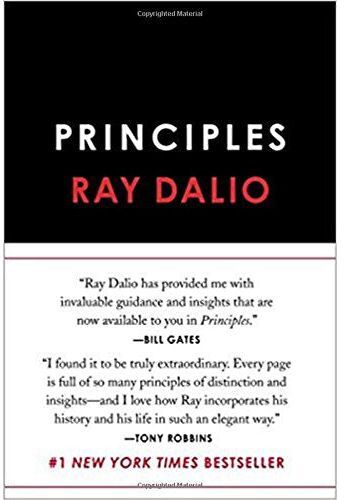
Principles: Life and Work by Ray Dalio - Non Fiction - Hardback Simon & SchusterRay Dalio, one of the world’s most successful investors and entrepreneurs, shares the unconventional principles that he’s developed, refined, and used over the past forty years to create unique results in both life and business—and which any person or organization can adopt to help achieve their goals. In 1975, Ray Dalio founded an investment firm, Bridgewater Associates, out of his two-bedroom apartment in New York City. Forty years later, Bridgewater has made more money for its clients than any other hedge fund in history and grown into the fifth most important private company in the United States, according to Fortune magazine. Dalio himself has been named to Time magazine’s list of the 100 most influential people in the world. Along the way, Dalio discovered a set of unique principles that have led to Bridgewater’s exceptionally effective culture, which he describes as “an idea meritocracy that strives to achieve meaningful work and meaningful relationships through radical transparency.” It is these principles, and not anything special about Dalio—who grew up an ordinary kid in a middle-class Long Island neighborhood—that he believes are the reason behind his success. In Principles, Dalio shares what he’s learned over the course of his remarkable career. He argues that life, management, economics, and investing can all be systemized into rules and understood like machines. The book’s hundreds of practical lessons, which are built around his cornerstones of “radical truth” and “radical transparency,” include Dalio laying out the most effective ways for individuals and organizations to make decisions, approach challenges, and build strong teams. He also describes the innovative tools the firm uses to bring an idea meritocracy to life, such as creating “baseball cards” for all employees that distill their strengths and weaknesses, and employing computerized decision-making systems to make believability-weighted decisions. While the book brims with novel ideas for organizations and institutions, Principles also offers a clear, straightforward approach to decision-making that Dalio believes anyone can apply, no matter what they’re seeking to achieve. Here, from a man who has been called both “the Steve Jobs of investing” and “the philosopher king of the financial universe” (CIO magazine), is a rare opportunity to gain proven advice unlike anything you’ll find in the conventional business press.15,99 £*Shipping: 2,99 £Secure redirect to the provider
-
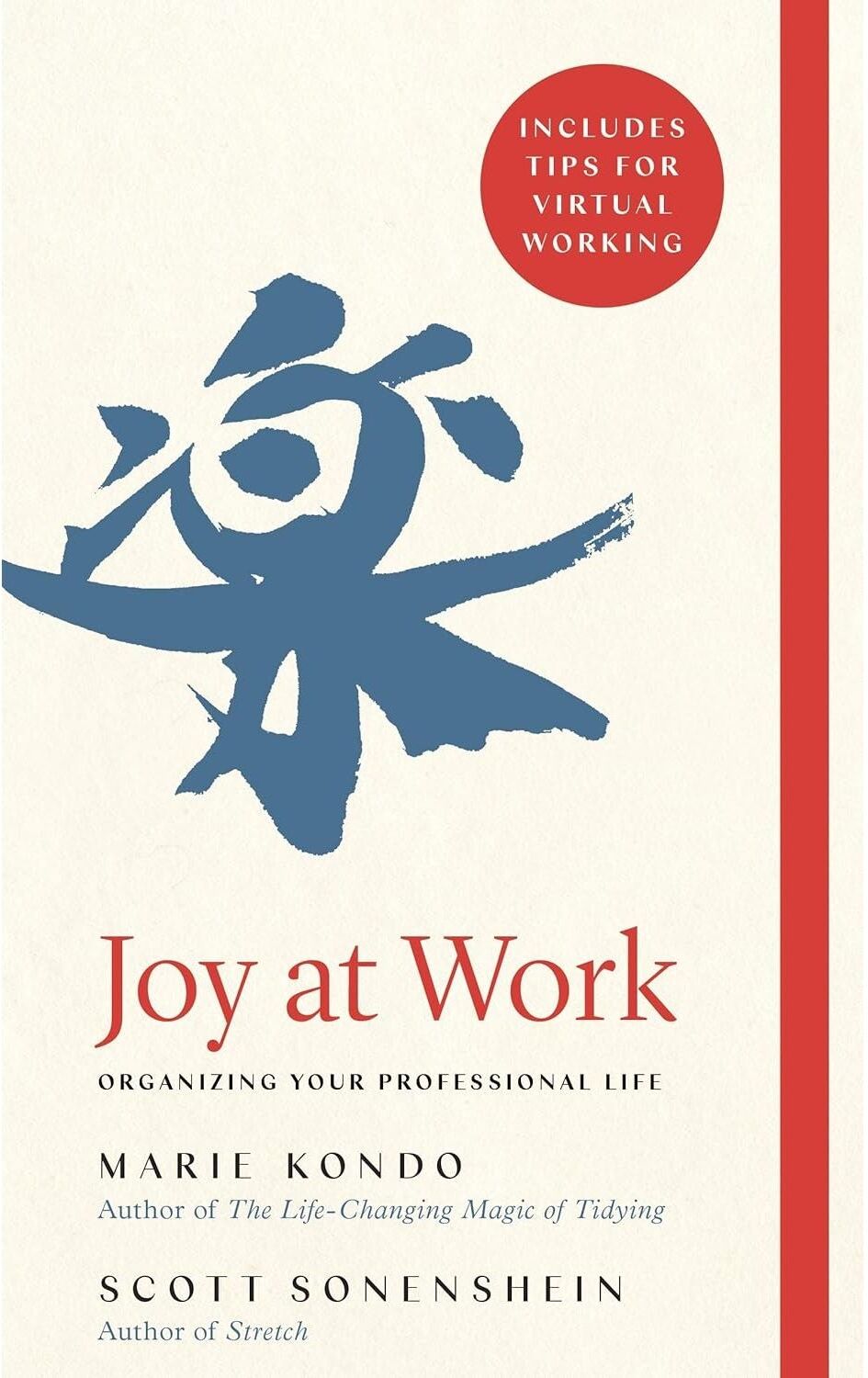
Bluebird Joy at Work by Marie Kondo & Scott Sonenshein – Organizing Your Professional LifeFind your focus with this transformative guide from an organizational psychologist and Marie Kondo, the #1 New York Times bestselling author of The Life-Changing Magic of Tidying and star of the Netflix series Tidying Up with Marie Kondo.Marie Kondo's first book, The Life-Changing Magic of Tidying, sparked a new wave of publishing and became an international bestseller. Now, for the first time, you will be guided through the process of tidying up your work life – digitally and physically. Whether you're working at home, in the office, or a combination of the two, if you properly simplify and organize your work life once, you’ll never have to do it again.In Joy at Work, KonMari method pioneer Marie Kondo and organizational psychologist Scott Sonenshein will help you to refocus your mind on what's important at work, and as their examples show, the results can be truly life-changing. With advice on how to improve the way you work, the book features advice on problem areas including fundamentals like how to organize your digital and physical desktop, finally get through your emails and find balance by ditching distractions and focusing on what sparks joy.5,49 £*Shipping: 2,99 £Secure redirect to the provider
-
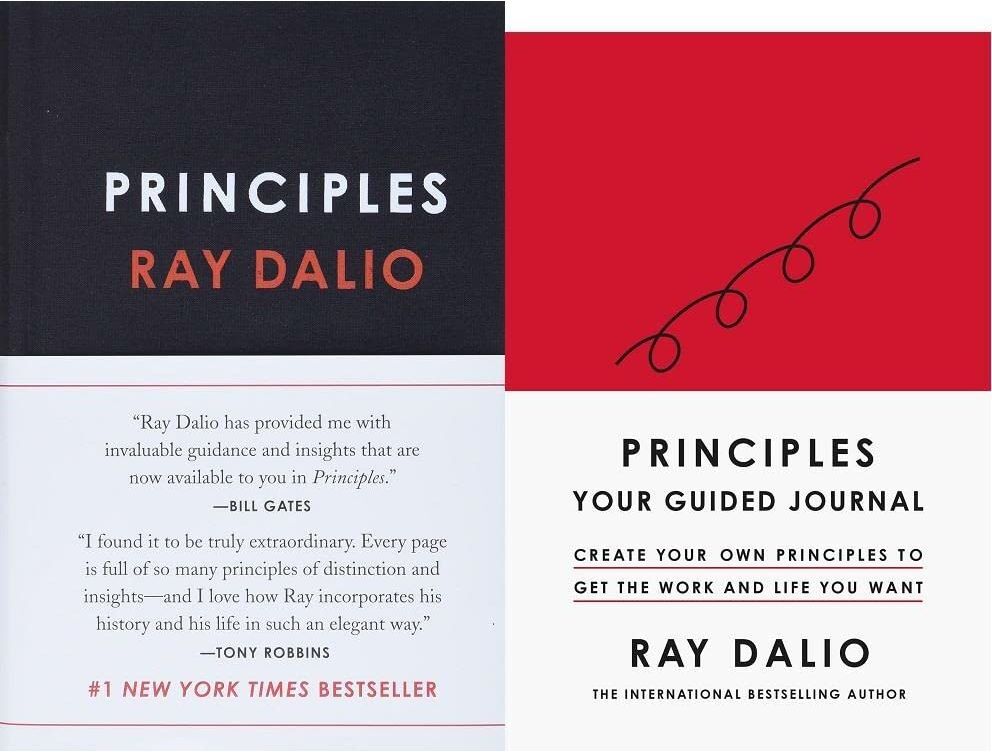
Simon & Schuster Principles Life and Work, Principles Your Guided Journal 2 Books Collection SetPrinciples: Life and Work, Principles Your Guided Journal 2 Books Collection Set Principles: Life and Work In Principles, Dalio shares what he’s learned over the course of his remarkable career. He argues that life, management, economics, and investing can all be systemized into rules and understood like machines. The book’s hundreds of practical lessons, which are built around his cornerstones of “radical truth” and “radical transparency,” include Dalio laying out the most effective ways for individuals and organizations to make decisions, approach challenges, and build strong teams. He also describes the innovative tools the firm uses to bring an idea meritocracy to life, such as creating “baseball cards” for all employees that distill their strengths and weaknesses, and employing computerized decision-making systems to make believability-weighted decisions. While the book brims with novel ideas for organizations and institutions, Principles also offers a clear, straightforward approach to decision-making that Dalio believes anyone can apply, no matter what they’re seeking to achieve. Principles: Your Guided Journal: With this new journal, Dalio takes his goal one step further to help readers reflect on and record their own principles. He does that by providing a series of guided exercises and questions for reflecting on what you’re like, what you value, and what principles will best help you achieve your goals. These exercises draw from key concepts in the original Principles book, including: 1. How to identify your strengths, weaknesses, motivations and preferences 2. How to use the 'five-step process' to achieve your goals 3. How to become both 'assertive and open-minded at the same time' 4. How to maximise your learning from your mistakes (which are inevitable)22,99 £*Shipping: 2,99 £Secure redirect to the provider
-
Uplifted Trends Funny Work Life Quartz Watch Stainless Steel Unisex Casual Wristwatch Gift bAdd personality to every hour with a funny quartz watch designed to make everyday style feel less serious. This creative unisex wristwatch features a playful Work Life inspired dial that stands out from ordinary timepieces while remaining easy to...64,97 $*Shipping: 0,00 $Secure redirect to the provider


-
How does life work?
Life is a complex and dynamic process that involves a series of interconnected systems working together. At its core, life is sustained through the exchange of energy and nutrients, growth and development, reproduction, and adaptation to the environment. Organisms are constantly responding to internal and external stimuli to maintain homeostasis and ensure survival. Evolutionary processes drive the diversity and complexity of life forms, allowing for the continuous adaptation and optimization of species over time. **
-
How is work life?
Work life is busy but fulfilling. I enjoy the challenges and opportunities for growth that come with my job. The supportive team and positive work environment make it easier to manage the workload. Overall, I feel motivated and satisfied with my work life. **
-
Would you need so much technology to work in your daily life?
No, I do not need a lot of technology to work in my daily life. While technology can be helpful and make certain tasks easier, I believe that I could still function and be productive without relying heavily on it. I value simplicity and believe that a balance between using technology and engaging in more traditional methods is important for a well-rounded lifestyle. **
-
Would you need so much technology for work in your daily life?
Yes, technology plays a crucial role in my daily work life. From communication tools like email and video conferencing to project management software and data analysis tools, technology helps me stay organized, collaborate with colleagues, and efficiently complete tasks. Without these technological tools, it would be much more challenging to stay productive and connected in today's fast-paced work environment. **


Would you need so much technology to work in your everyday life?
No, I do not need a lot of technology to work in my everyday life. While technology can certainly make tasks more efficient and convenient, I believe that it is possible to live a fulfilling life without relying heavily on technology. Simple tools and resources can often be sufficient for completing daily tasks and staying connected with others. **
To what extent does modern technology in everyday life in Japan threaten the quality of life?
Modern technology in everyday life in Japan has both positive and negative impacts on the quality of life. On one hand, the convenience and efficiency brought by technology can enhance the quality of life by making daily tasks easier and more accessible. However, the overreliance on technology can also lead to social isolation, decreased physical activity, and mental health issues. Additionally, the constant connectivity and information overload can contribute to stress and burnout. Therefore, while modern technology has the potential to improve the quality of life in Japan, it also poses threats that need to be carefully managed. **
Top-Angebote
Products related to Work-life:
-
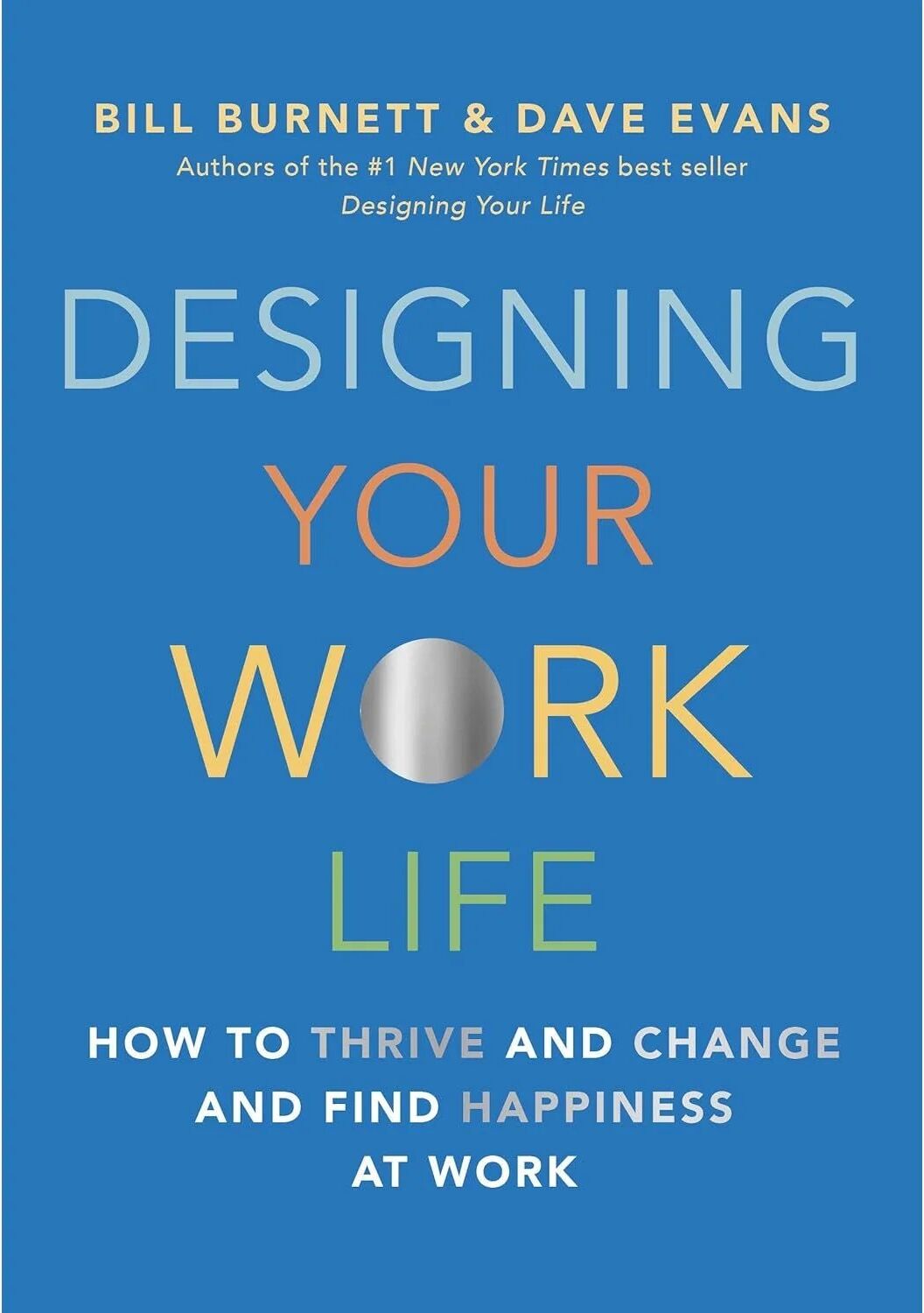
Knopf Designing Your Work Life by Bill Burnett & Dave Evans - Hardback - Career Self-Help Book Using Design Thinking to Build a Happier Work LifeDesigning Your Work Life by Bill Burnett and Dave Evans is a practical hardback that applies the design-thinking method to the workplace. The authors, both from Stanford University, show readers how to reframe unhelpful beliefs about their careers and build small, testable changes that lead to a job that feels genuinely meaningful. This book offers a clear framework for designing lasting career satisfaction, whether you want to reinvigorate a role you already hold or plan a bigger move. It's a follow-up to the bestselling Designing Your Life, which taught readers to treat their whole life as a design problem with workable, testable solutions. Burnett and Evans turn that same toolkit toward the workplace, helping you build a job that feels meaningful and satisfying.4,99 £*Shipping: 2,99 £Secure redirect to the provider
-
Simon & Schuster Principles: Life and Work by Ray Dalio#1 NEW YORK TIMES BESTSELLER * 5 MILLION COPIES SOLD “Significant...The book is both instructive and surprisingly moving.” —The New York Times Ray Dalio, one of the world’s most successful investors and entrepreneurs, shares the unconventional principles that he’s developed, refined, and used over the past forty years to create unique results in both life and business—and which any person or organization can adopt to help achieve their goals. In 1975, Ray Dalio founded an investment firm, Bridgewater Associates, out of his two-bedroom apartment in New York City. Forty years later, Bridgewater has made more money for its clients than any other hedge fund in history and grown into the fifth most important private company in the United States, according to Fortune magazine. Dalio himself has been named to Time magazine’s list of the 100 most influential people in the world. Along the way, Dalio discovered a set of unique principles that have led to Bridgewater’s exceptionally effective culture, which he describes as “an idea meritocracy that strives to achieve meaningful work and meaningful relationships through radical transparency.” It is these principles, and not anything special about Dalio—who grew up an ordinary kid in a middle-class Long Island neighborhood—that he believes are the reason behind his success. In Principles, Dalio shares what he’s learned over the course of his remarkable career. He argues that life, management, economics, and investing can all be systemized into rules and understood like machines. The book’s hundreds of practical lessons, which are built around his cornerstones of “radical truth” and “radical transparency,” include Dalio laying out the most effective ways for individuals and organizations to make decisions, approach challenges, and build strong teams. He also describes the innovative tools the firm uses to bring an idea meritocracy to life, such as creating “baseball cards” for all employees that distill their strengths and weaknesses, and employing computerized decision-making systems to make believability-weighted decisions. While the book brims with novel ideas for organizations and institutions, Principles also offers a clear, straightforward approach to decision-making that Dalio believes anyone can apply, no matter what they’re seeking to achieve. Here, from a man who has been called both “the Steve Jobs of investing” and “the philosopher king of the financial universe” (CIO magazine), is a rare opportunity to gain proven advice unlike anything you’ll find in the conventional business press.15,99 £*Shipping: 2,99 £Secure redirect to the provider
-
Principles: Life and Work by Ray Dalio - Non Fiction - Hardback Simon & SchusterRay Dalio, one of the world’s most successful investors and entrepreneurs, shares the unconventional principles that he’s developed, refined, and used over the past forty years to create unique results in both life and business—and which any person or organization can adopt to help achieve their goals. In 1975, Ray Dalio founded an investment firm, Bridgewater Associates, out of his two-bedroom apartment in New York City. Forty years later, Bridgewater has made more money for its clients than any other hedge fund in history and grown into the fifth most important private company in the United States, according to Fortune magazine. Dalio himself has been named to Time magazine’s list of the 100 most influential people in the world. Along the way, Dalio discovered a set of unique principles that have led to Bridgewater’s exceptionally effective culture, which he describes as “an idea meritocracy that strives to achieve meaningful work and meaningful relationships through radical transparency.” It is these principles, and not anything special about Dalio—who grew up an ordinary kid in a middle-class Long Island neighborhood—that he believes are the reason behind his success. In Principles, Dalio shares what he’s learned over the course of his remarkable career. He argues that life, management, economics, and investing can all be systemized into rules and understood like machines. The book’s hundreds of practical lessons, which are built around his cornerstones of “radical truth” and “radical transparency,” include Dalio laying out the most effective ways for individuals and organizations to make decisions, approach challenges, and build strong teams. He also describes the innovative tools the firm uses to bring an idea meritocracy to life, such as creating “baseball cards” for all employees that distill their strengths and weaknesses, and employing computerized decision-making systems to make believability-weighted decisions. While the book brims with novel ideas for organizations and institutions, Principles also offers a clear, straightforward approach to decision-making that Dalio believes anyone can apply, no matter what they’re seeking to achieve. Here, from a man who has been called both “the Steve Jobs of investing” and “the philosopher king of the financial universe” (CIO magazine), is a rare opportunity to gain proven advice unlike anything you’ll find in the conventional business press.15,99 £*Shipping: 2,99 £Secure redirect to the provider
-
Bluebird Joy at Work by Marie Kondo & Scott Sonenshein – Organizing Your Professional LifeFind your focus with this transformative guide from an organizational psychologist and Marie Kondo, the #1 New York Times bestselling author of The Life-Changing Magic of Tidying and star of the Netflix series Tidying Up with Marie Kondo.Marie Kondo's first book, The Life-Changing Magic of Tidying, sparked a new wave of publishing and became an international bestseller. Now, for the first time, you will be guided through the process of tidying up your work life – digitally and physically. Whether you're working at home, in the office, or a combination of the two, if you properly simplify and organize your work life once, you’ll never have to do it again.In Joy at Work, KonMari method pioneer Marie Kondo and organizational psychologist Scott Sonenshein will help you to refocus your mind on what's important at work, and as their examples show, the results can be truly life-changing. With advice on how to improve the way you work, the book features advice on problem areas including fundamentals like how to organize your digital and physical desktop, finally get through your emails and find balance by ditching distractions and focusing on what sparks joy.5,49 £*Shipping: 2,99 £Secure redirect to the provider
-
Has technology worsened the quality of life?
Technology has both improved and worsened the quality of life depending on how it is used. While technology has made communication easier and provided access to vast amounts of information, it has also led to issues such as social isolation, decreased physical activity, and privacy concerns. It is important for individuals to find a balance in their use of technology to ensure that it enhances rather than detracts from their overall quality of life. **
-
Is work and money more important than quality of life?
The importance of work and money versus quality of life is subjective and can vary from person to person. Some may prioritize work and money as a means to provide for their quality of life, while others may prioritize quality of life and well-being over financial success. Ultimately, finding a balance between work, money, and quality of life is essential for overall happiness and fulfillment. It's important to consider individual values, goals, and priorities when determining the significance of work and money in relation to quality of life. **
-
How does life work?
Life is a complex and dynamic process that involves a series of interconnected systems working together. At its core, life is sustained through the exchange of energy and nutrients, growth and development, reproduction, and adaptation to the environment. Organisms are constantly responding to internal and external stimuli to maintain homeostasis and ensure survival. Evolutionary processes drive the diversity and complexity of life forms, allowing for the continuous adaptation and optimization of species over time. **
-
How is work life?
Work life is busy but fulfilling. I enjoy the challenges and opportunities for growth that come with my job. The supportive team and positive work environment make it easier to manage the workload. Overall, I feel motivated and satisfied with my work life. **
Similar search terms for Work-life
-
Simon & Schuster Principles Life and Work, Principles Your Guided Journal 2 Books Collection SetPrinciples: Life and Work, Principles Your Guided Journal 2 Books Collection Set Principles: Life and Work In Principles, Dalio shares what he’s learned over the course of his remarkable career. He argues that life, management, economics, and investing can all be systemized into rules and understood like machines. The book’s hundreds of practical lessons, which are built around his cornerstones of “radical truth” and “radical transparency,” include Dalio laying out the most effective ways for individuals and organizations to make decisions, approach challenges, and build strong teams. He also describes the innovative tools the firm uses to bring an idea meritocracy to life, such as creating “baseball cards” for all employees that distill their strengths and weaknesses, and employing computerized decision-making systems to make believability-weighted decisions. While the book brims with novel ideas for organizations and institutions, Principles also offers a clear, straightforward approach to decision-making that Dalio believes anyone can apply, no matter what they’re seeking to achieve. Principles: Your Guided Journal: With this new journal, Dalio takes his goal one step further to help readers reflect on and record their own principles. He does that by providing a series of guided exercises and questions for reflecting on what you’re like, what you value, and what principles will best help you achieve your goals. These exercises draw from key concepts in the original Principles book, including: 1. How to identify your strengths, weaknesses, motivations and preferences 2. How to use the 'five-step process' to achieve your goals 3. How to become both 'assertive and open-minded at the same time' 4. How to maximise your learning from your mistakes (which are inevitable)22,99 £*Shipping: 2,99 £Secure redirect to the provider
-
Uplifted Trends Funny Work Life Quartz Watch Stainless Steel Unisex Casual Wristwatch Gift bAdd personality to every hour with a funny quartz watch designed to make everyday style feel less serious. This creative unisex wristwatch features a playful Work Life inspired dial that stands out from ordinary timepieces while remaining easy to...64,97 $*Shipping: 0,00 $Secure redirect to the provider
-
Life Fitness Life CMPD C/Motion PulldownCable Motionâ„¢ Technology from Life Fitness. It's multi-dimensional strength training. It's user-defined paths of motion that allow for an endless variety of exercises that build balance, stability, and power. It's infinite training choices - single stations, multi-use and multi-jungles. Turn...6768,00 £*Shipping: 0,00 £Secure redirect to the provider
-
Life Fitness Heat Performance Row with TFT 2.0 ConsoleThe Life Fitness Heat Performance Row has a lively, athletic feel the moment you start pulling. Power readings pop up straight away on the watt display, so each stroke comes with clear feedback from the console. The resistance range shifts quickly from light strokes to heavy efforts, which keeps...3492,00 £*Shipping: 0,00 £Secure redirect to the provider
-
Would you need so much technology to work in your daily life?
No, I do not need a lot of technology to work in my daily life. While technology can be helpful and make certain tasks easier, I believe that I could still function and be productive without relying heavily on it. I value simplicity and believe that a balance between using technology and engaging in more traditional methods is important for a well-rounded lifestyle. **
-
Would you need so much technology for work in your daily life?
Yes, technology plays a crucial role in my daily work life. From communication tools like email and video conferencing to project management software and data analysis tools, technology helps me stay organized, collaborate with colleagues, and efficiently complete tasks. Without these technological tools, it would be much more challenging to stay productive and connected in today's fast-paced work environment. **
-
Would you need so much technology to work in your everyday life?
No, I do not need a lot of technology to work in my everyday life. While technology can certainly make tasks more efficient and convenient, I believe that it is possible to live a fulfilling life without relying heavily on technology. Simple tools and resources can often be sufficient for completing daily tasks and staying connected with others. **
-
To what extent does modern technology in everyday life in Japan threaten the quality of life?
Modern technology in everyday life in Japan has both positive and negative impacts on the quality of life. On one hand, the convenience and efficiency brought by technology can enhance the quality of life by making daily tasks easier and more accessible. However, the overreliance on technology can also lead to social isolation, decreased physical activity, and mental health issues. Additionally, the constant connectivity and information overload can contribute to stress and burnout. Therefore, while modern technology has the potential to improve the quality of life in Japan, it also poses threats that need to be carefully managed. **
* All prices are inclusive of VAT and, if applicable, plus shipping costs. The offer information is based on the details provided by the respective shop and is updated through automated processes. Real-time updates do not occur, so deviations can occur in individual cases. ** Note: Parts of this content were created by AI.